


Paperseal
Our very best packaging product is Paperseal, where we use our proprietary thermoforming technology combined with our proprietary paper coating, to create an incredible paper that can be used in a wide range of applications.
Our team is constantly working to get the barrier better, and today we have an Oxygen barrier of <0.1ppm/cm2/24hr and a water vapour barrier of <5ppm/cm2/24hr.
Paperseal meets or exceeds barrier performance to preserve product freshness across multiple market sectors.
Oxygen barrier rate vs water vapour barrier.
- Oxygen transmission rate 23°C @ 50% relative humidity (cm per 24hrs)
- Water vapour transmission rate 23°C @ 50% relative humidity (gm2 per 24 hours)
* Competitor’s plastic materials may not be approved for direct food contact (PVdC and PVC) or may require additional polymer coatings to maintain barrier properties (EVOH).
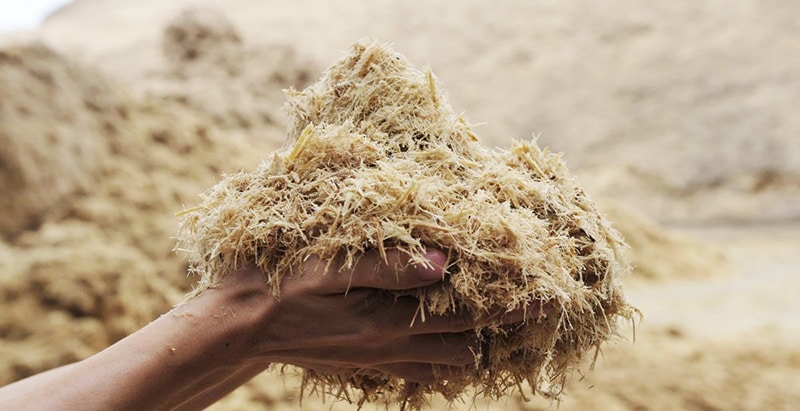
Agricultural waste is used as the primary fibre source. No virgin timber is required.
Varden’s fibre technology is designed to operate with agricultural waste feedstocks, including sugarcane bagasse. This approach removes dependence on forestry-derived materials.
The process supports adaptation to additional post-agricultural waste inputs where clean, controlled sourcing conditions can be maintained.
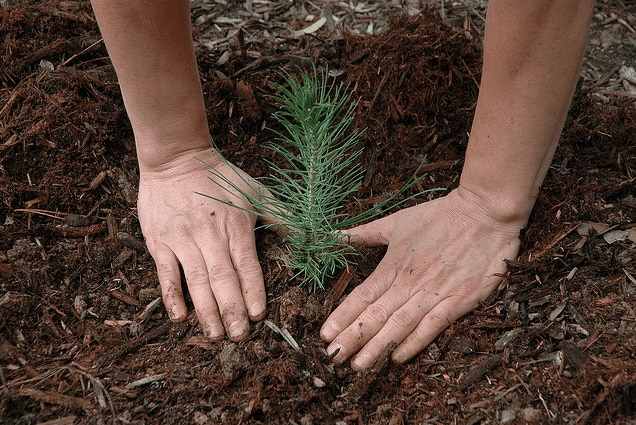
Bio-based, film-free coating maintains paper recyclability.
Varden’s fibre technology is designed to operate with agricultural waste feedstocks, including sugarcane bagasse. This approach removes dependence on forestry-derived materials.
Input materials can be adjusted to incorporate other post-agricultural waste streams, subject to supply chain quality and consistency.
Recycling
Our thermoformed product is compostable and recylable. Even with our highest barrier coatings applied, the paper still passes the Aticelca tests for fibre recovery without micro-stickies.
In-House Polymer Synthesis
We have our own range of polymers, that we make ourselves and protect with a raft of IP. We use benign catalysts, and create no chemical waste. These are plasticiser, BPA and PFAS free.
We align with the ACS Green Chemistry Principles.
Intellectual Property
We have 13 patent families, and over 40 pending patents for fibre coffee capsules.
- Trademark Protections on Paperseal Logo and Brand Name
- 6 design registrations on 6 fibre-specific capsule shapes